US consumer prices rose 3.7% in the year to September, faster than economists expected, led by a jump in gasoline. Here is what it means for your budget and what to do next.
If your last fill-up felt like a gut punch, the government data now agrees with you. The Consumer Price Index for September, released on October 14, 2026, showed US consumer prices rising 3.7% from a year earlier. That was faster than the 3.6% economists had expected and well above August’s 3.4%. For households already juggling high borrowing costs and a cooling job market, it is another squeeze on the monthly budget.
Below, we break down what drove the jump, which parts of the report were calmer than the headline suggests, and the practical steps worth considering as the holiday season approaches.
The numbers behind the September CPI report
According to market coverage of the Bureau of Labor Statistics release, the headline index rose 0.6% from August, matching forecasts, after a 0.4% gain the month before. On a yearly basis, the 3.7% reading was the fastest of the recent run of reports and a clear step up from the 3.4% recorded in August.
Core inflation, which strips out food and energy, came in at 2.6% for the year, slightly above the 2.5% forecast and up from 2.4% previously. Core prices rose roughly 0.3% on the month. That gap between 3.7% headline and 2.6% core tells an important story: the surge was concentrated in energy rather than spread evenly across the economy.
- Headline CPI: 3.7% year over year (expected 3.6%, prior 3.4%).
- Monthly change: +0.6% (prior +0.4%).
- Core CPI: 2.6% year over year (expected 2.5%, prior 2.4%).
Gasoline did the heavy lifting
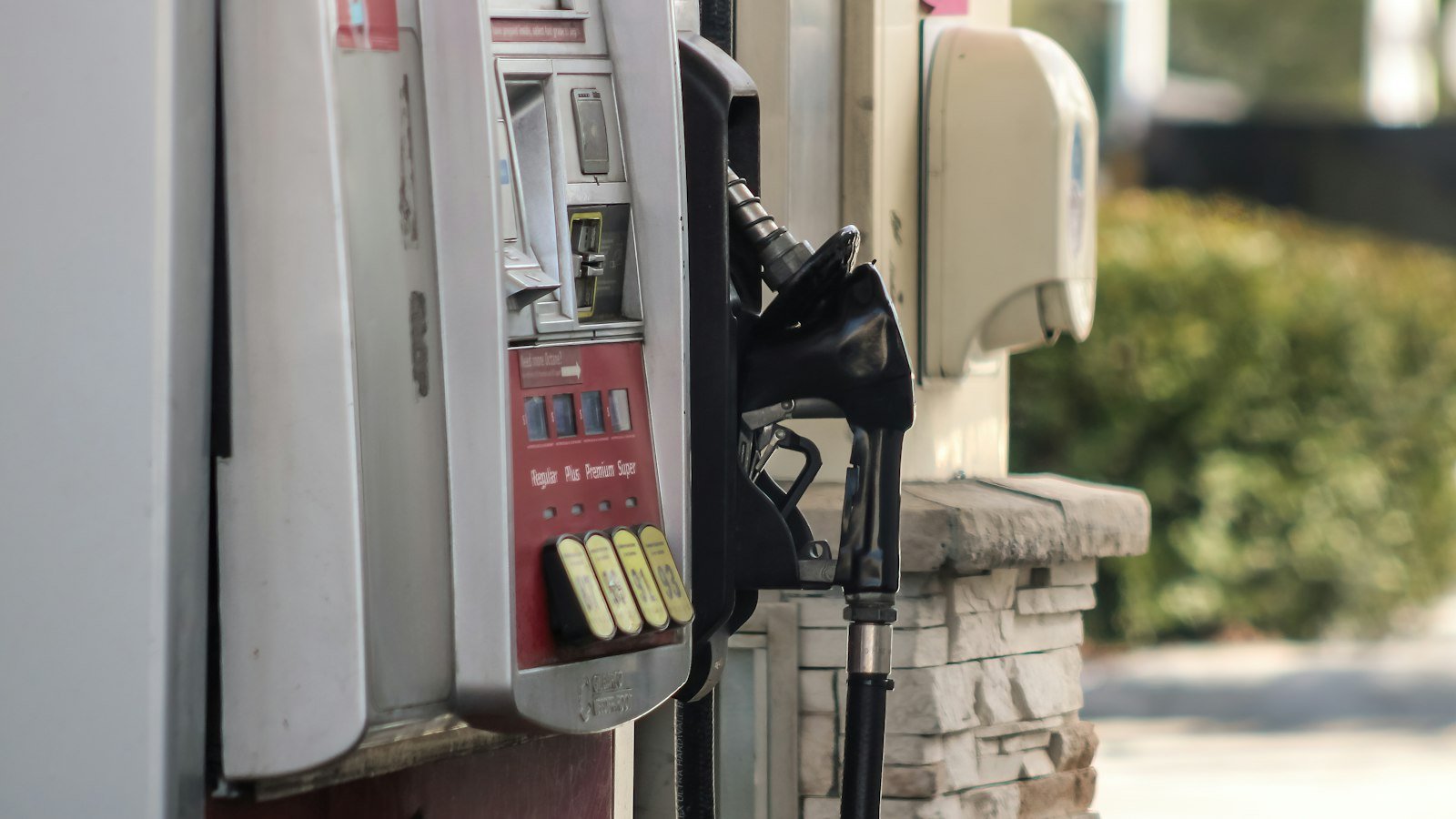
The biggest mover was energy. Coverage of the report showed the energy index jumping about 5.2% in the month, with gasoline up roughly 9.1%, compared with a 3.9% gain in August. A single-month rise of that size shows up quickly in household budgets, particularly for commuters, rural drivers and anyone who relies on a car for work.
Food was a bright spot. Grocery and restaurant prices combined were flat for the month in the data cited, which offers some relief at the checkout line even as the pump takes more. Other categories were mixed: owners’ equivalent rent rose about 0.3% and rent of primary residence about 0.2%, while used car prices climbed roughly 0.7% and airfares rose about 1.2%.
Why shelter still matters
Housing is the largest single piece of the typical family budget, and the report suggests it is rising steadily rather than spiking. Steady increases in rent and owners’ equivalent rent do not make headlines the way a gasoline surge does, but they compound month after month. If you rent, check your lease renewal date now so you are not surprised by an increase.
Paychecks are not keeping pace
The more worrying detail for workers is what inflation does to purchasing power. Market coverage of the release noted that real weekly earnings, which adjust wages for inflation, fell about 0.5% in the period, compared with a small gain previously. In plain terms, when prices rise faster than pay, the same paycheck buys less. That is the core of what economists mean by a cost-of-living squeeze.
This arrives alongside a softer labor market. Our earlier coverage of the September jobs report showed employers adding only 29,000 jobs and the unemployment rate rising to 4.2%. Slower hiring weakens workers’ bargaining power just when they need raises most.
What it could mean for interest rates
The Federal Reserve raised its benchmark rate by a quarter point to a range of 3.75% to 4.00% at its September 16, 2026 meeting, in a 12-0 vote, saying inflation remains elevated. A hotter-than-expected inflation report does not guarantee another move, and nobody can say with certainty what policymakers will do at their next meeting. But it does make a quick turn toward rate cuts less likely, which matters for anyone carrying variable-rate debt or shopping for a loan.
Higher rates cut both ways. Borrowing stays expensive, with credit cards, home equity lines and auto loans all tied in some way to the Fed’s moves. Savers, meanwhile, can earn more on cash than they could for most of the past few years.
What you can do now
You cannot control the price of gasoline, but you can respond to it. These steps are general ideas to consider, not a prescription for your situation.
- Audit your transportation spending. Track what you spent on fuel over the last two months. Even modest changes such as combining errands, easing off rapid acceleration or keeping tires properly inflated can trim consumption.
- Use grocery relief while it lasts. With food prices flat in the latest report, this may be a good moment to stock up on pantry staples you use regularly, if you have the space and the cash.
- Review variable-rate debt. If you carry credit card balances, compare your annual percentage rate with balance transfer or personal loan offers, and read the fees carefully before switching.
- Put idle cash to work. Many online banks are paying well above the national average on savings accounts. Compare current offers and confirm the account is FDIC-insured.
- Ask for what you are worth. If your pay has not kept pace with prices, prepare a case for a raise based on your results, and research typical pay for your role in your area.
- Revisit your holiday budget early. Setting a spending cap now beats paying off January credit card statements at high interest.
Do not panic-sell or panic-buy
Inflation headlines can tempt people to make big financial moves. A single month of data, especially one dominated by a swing in gasoline, rarely justifies overhauling a long-term plan. Energy prices are volatile and can reverse. If your retirement and investment strategy was sound before the report, a quick change of course based on one release is usually unwise.
What to watch next
- Gasoline prices in October. If pump prices ease, headline inflation could cool quickly. If they keep rising, the squeeze will persist.
- The next CPI report. The October figures, due in November, will show whether September was a spike or the start of a trend. Check the Bureau of Labor Statistics for the official release date.
- Core inflation. The 2.6% core rate is far below the headline. If core measures start climbing as well, the Fed may have more work to do.
- The labor market. The next jobs report will show whether weak hiring is a blip or a pattern, which affects both wages and the Fed’s decisions.
- Fed communication. Watch for policymakers’ comments on whether last month’s rate increase is enough.
The bottom line
September’s 3.7% inflation reading is a reminder that price pressures have not gone away, and that a single volatile category can swing the headline. The good news is that core inflation is far lower and food prices were calm. The practical response is to trim fuel costs, tame high-interest debt, make your savings earn more, and avoid rash decisions based on one month of data.
Figures above come from market coverage of the Bureau of Labor Statistics September CPI release and the Federal Reserve’s September 16, 2026 statement. Always check the official sources for the latest numbers.
This article is for information only and is not financial advice.