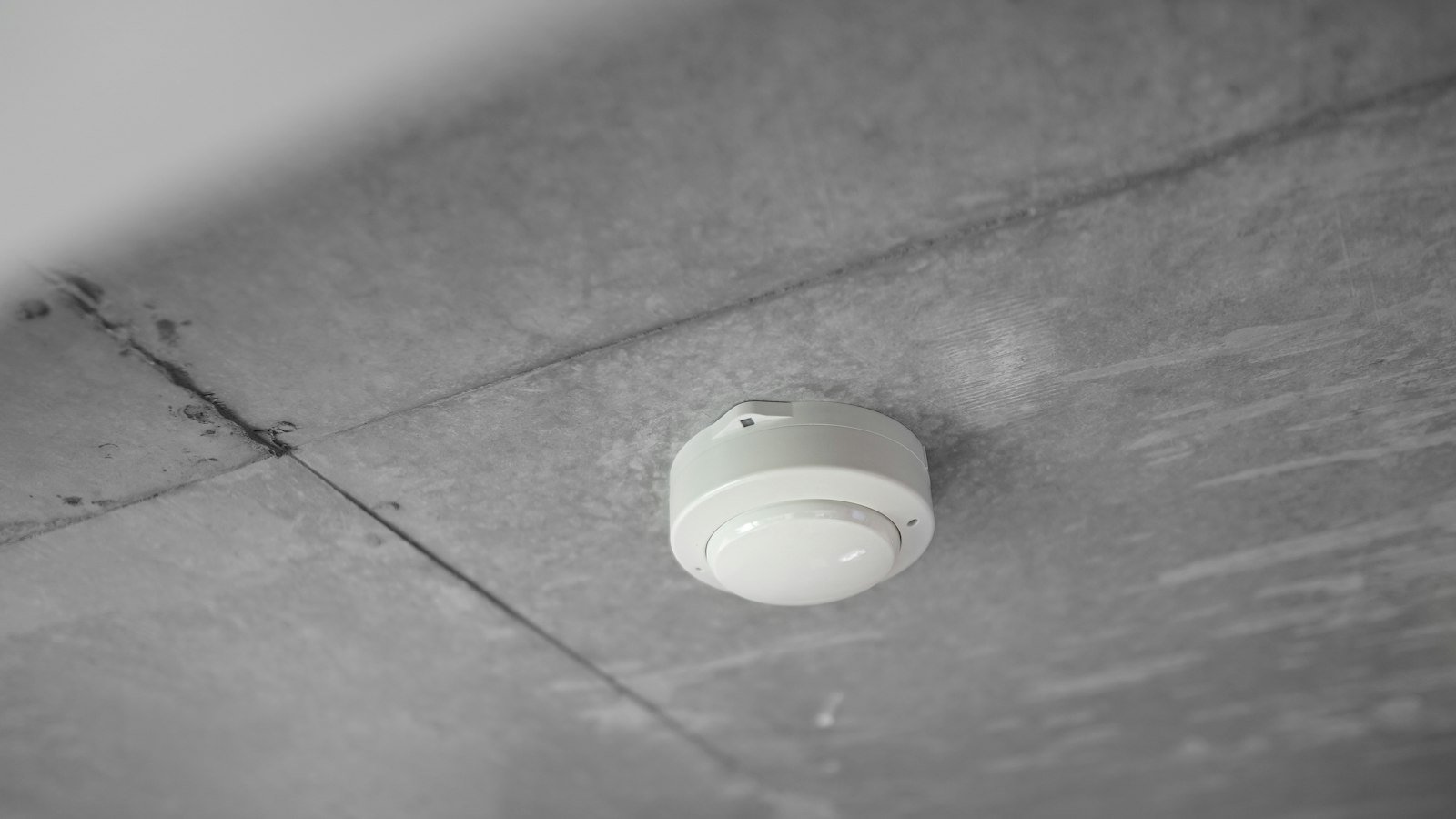
Daylight saving time ends Sunday, Nov. 1, 2026. Use the clock change as a reminder to test smoke and carbon monoxide alarms, refresh batteries and walk through your family's fire escape plan.
Every autumn, millions of Americans gain an extra hour of sleep when daylight saving time ends. This year the change comes on Sunday, Nov. 1, 2026, and fire departments across the country are using it for a second purpose: a built-in reminder to check the alarms that protect your home.
The message is simple enough to fit on a magnet, and it has been repeated by local fire departments for years: “Change your clock, change your batteries.” Municipal fire departments, including Champaign, Illinois, have used that slogan and noted that working smoke alarms substantially reduce the risk of dying in a home fire. Here is how to turn a routine clock change into a short, practical home safety session.
What is changing on Nov. 1
Under the federal schedule, daylight saving time ends on the first Sunday in November. In 2026 that is Nov. 1. At 2 a.m. local time, clocks move back to 1 a.m., giving most of the country an extra hour that night. Most smartphones, computers and cable boxes adjust on their own, but many ovens, microwaves, wall clocks, car dashboards and older alarm clocks do not, so plan a few minutes to reset them by hand.
Not every place follows the shift. Hawaii and most of Arizona stay on standard time year-round, as do several U.S. territories. If you travel or work with people in those places, double-check meeting times for the first few days of November.
Why the earlier sunset matters
The practical effect of “falling back” is that evenings get dark sooner. Commuters who drove home in daylight in October may now be driving in the dark, and children heading home from after-school activities or trick-or-treating may be harder for drivers to see. Pair the alarm check with a quick look at porch lights, walkway lighting and reflective gear for walkers and cyclists.
A 15-minute home safety checklist
You do not need special tools for most of this. Set a timer, grab a step stool and work through the list below.
1. Test every smoke alarm
- Press and hold the test button on each alarm until it sounds. A weak, delayed or silent response means the alarm needs attention.
- Check that there is an alarm inside every bedroom, outside each sleeping area and on every level of the home, including the basement. This layout is widely recommended by fire safety organizations; your local fire department can confirm the rules that apply where you live.
- If an alarm chirps every minute or so, that is typically the low-battery signal. Replace the battery right away rather than removing it.
2. Replace batteries where needed
- For alarms that use standard replaceable batteries, many fire departments recommend putting in fresh ones at least once a year, and the clock change is an easy date to remember.
- Some newer alarms are sealed units with long-life batteries that are not meant to be replaced. For those, test the alarm and follow the manufacturer’s instructions on when to swap the entire unit.
- Write the date on the back of each alarm with a marker so you know how old it is.
3. Check the age of your alarms
Smoke alarms do not last forever. Fire safety groups generally advise replacing them roughly every 10 years, and the manufacture date is usually printed on the back of the unit. If you cannot find a date, or the alarm looks yellowed or old, replacing it is inexpensive insurance. Because lifespans vary by product, follow the instructions that came with yours.
4. Don’t forget carbon monoxide alarms
Colder weather means furnaces, fireplaces, water heaters and generators get more use, and each can produce carbon monoxide (CO) if it is poorly vented or malfunctioning. CO is invisible and odorless, so an alarm is the only dependable way to know it is there.
- Test CO alarms the same way you test smoke alarms.
- Check the manufacturer’s replacement timeline. CO sensors wear out, and many units are designed to be replaced after several years.
- Have fuel-burning heating equipment inspected by a qualified professional before the heating season is in full swing.
- Never run a generator, grill or camp stove inside a home, garage or enclosed space.
5. Review your escape plan
An alarm only helps if everyone knows what to do when it sounds. Spend a few minutes with your household going over these basics:
- Identify two ways out of every room, where possible.
- Pick a meeting spot outside, such as a mailbox or a neighbor’s tree, that everyone can reach.
- Practice crawling low and feeling doors for heat before opening them.
- Make sure windows open easily and that security bars, if any, have a quick-release feature.
- Rehearse a drill at night, since many serious fires happen while people sleep.
Extra steps for older adults and renters
Older adults and people with limited mobility may need more time to leave a building. Neighbors and family members can help by testing alarms for someone who cannot reach the ceiling, and by checking that exits are clear. Many local fire departments and community organizations run programs to install or replace alarms for residents who cannot do it themselves. Policies and eligibility differ widely, so call your local non-emergency fire department line to ask what is available in your area rather than assuming a program exists.
Renters should know that responsibility for alarms often falls on the landlord under local housing codes, though rules vary by city and state. If an alarm in your unit is missing or not working, notify your landlord in writing and keep a copy. Never disable an alarm to stop nuisance beeping from cooking; try moving the alarm farther from the kitchen or using the hush button if it has one.
Beyond alarms: other small fall habits
- Heating season prep: Keep space heaters at least three feet from anything that can burn, plug them directly into the wall, and turn them off when you leave the room or go to bed. This is standard guidance from fire safety organizations.
- Fireplaces and chimneys: Have chimneys inspected and cleaned if you plan to burn wood this winter.
- Candles: With the holidays approaching, keep open flames away from curtains and decorations and never leave them unattended.
- Sleep adjustment: The extra hour is welcome, but the shift can briefly throw off sleep schedules. Moving bedtimes by 15 to 20 minutes over a few nights before the change can help children and light sleepers adjust.
What to know / what to watch next
- The date: Daylight saving time ends at 2 a.m. on Sunday, Nov. 1, 2026. Clocks go back one hour.
- Your to-do list: Test smoke and CO alarms, replace batteries where applicable, check the age of each unit and run through an escape plan.
- Local help: Contact your city or county fire department’s non-emergency line to ask about free alarm checks or installation programs. Availability varies by community.
- Looking ahead: Election Day is Tuesday, Nov. 3, just two days after the time change, so allow extra time to get to polling places, especially if you plan to vote after work in fading light. Veterans Day follows on Nov. 11.
- Standard time debate: The question of whether to keep a permanent clock setting comes up regularly in statehouses and in Congress. We have not confirmed any change to the schedule for this year, so plan on the Nov. 1 shift.
A single weekend of small checks can make a real difference in an emergency. When you move the hands back an hour this November, take the few extra minutes to make sure the devices on your ceiling are ready to do their job.
This article is general safety information and is not a substitute for guidance from your local fire department or the instructions provided by an alarm manufacturer.