Halloween falls on a Saturday this year. Here is a practical checklist for families, homeowners and drivers, based on guidance from police departments including Savannah's.
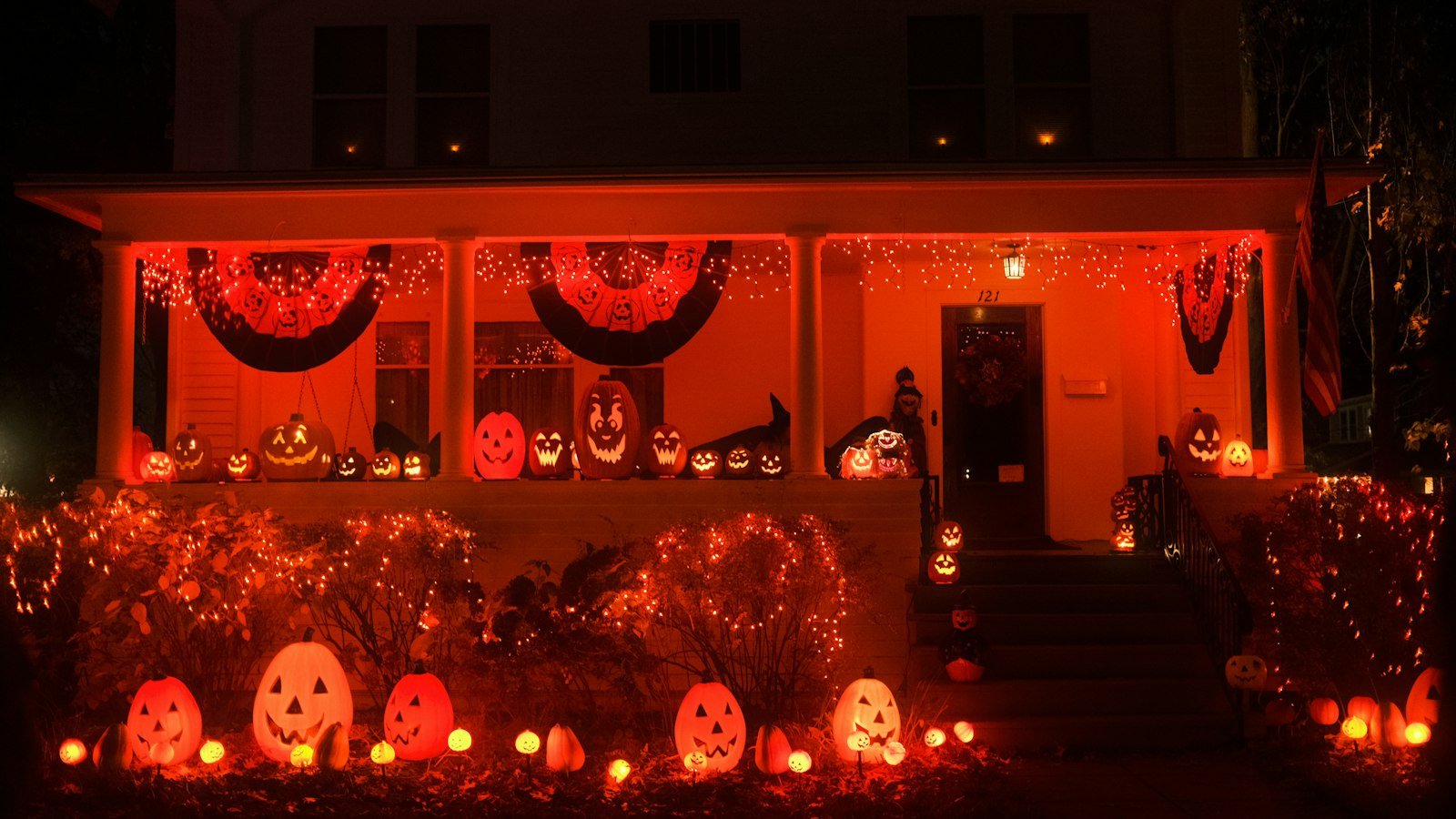
Halloween lands on a Saturday this year, October 31, 2026, which means no school-night curfew, plenty of daylight-to-dusk overlap, and, in many neighborhoods, the biggest turnout of trick-or-treaters in years. It also means busier sidewalks, more cars circling blocks, and more reasons for parents and homeowners to plan ahead. Police departments across the country are already putting out their annual reminders, and the advice is remarkably consistent from city to city.
One recent example comes from Savannah, Georgia. In a segment published October 12, 2026, local station WTOC reported that Sgt. Barry Lewis of the Savannah Police Department walked viewers through how to prepare for the holiday. The tips he covered are the same basics that departments from coast to coast repeat every October, and they are worth a fresh look before the weekend of the 31st.
Tips for trick-or-treaters and parents
Most of the guidance aimed at families comes down to visibility, supervision and sticking to known places. According to the WTOC report on the Savannah police advice, families should:
- Stay in familiar, well-lit neighborhoods and visit homes that have porch lights on.
- Use sidewalks and follow traffic laws when crossing streets.
- Check children’s candy before they eat any of it, and throw away anything unwrapped or suspicious.
- Carry a flashlight, and choose costumes that do not block vision or create tripping hazards.
- Prefer flame-retardant, light-colored costumes, and add reflective tape to costumes or treat bags.
- Walk rather than run from house to house.
- Never go inside a home while trick-or-treating.
- Have children accompanied by an adult.
- Report suspicious activity to police.
Make the costume part of the safety plan
A costume can be the most memorable part of the night, and also the most overlooked safety item. Long capes, oversized shoes and dragging hems are classic trip hazards on porch steps and uneven driveways. Masks that slip can cut off a child’s side vision at exactly the moment a car backs out of a driveway. A simple fix, which several police departments recommend, is face paint or makeup instead of a full mask, and a quick walk-through at home to make sure the child can see, move and climb a few stairs comfortably.
Reflective tape is cheap and works. A few strips on the back of a costume and on the treat bucket make a child far easier for drivers to spot at dusk. Glow sticks and small flashlights add to that, and they have the side benefit of keeping kids visible to their own parents in a crowd.
Set ground rules before you leave the house
Younger children should always have an adult with them. For older kids who are ready for more independence, many families set a route, a time to be home and a check-in plan in advance, and make sure the child carries a charged phone. Agreeing on a meeting spot in case a group gets separated takes a minute and removes a lot of panic later.
Tips for homeowners
If you are handing out candy, the Savannah guidance, as reported by WTOC, is straightforward:
- Hand out only commercially wrapped candy.
- Turn your porch light on only if you are welcoming trick-or-treaters. A dark porch is the universal signal to skip a house.
- Secure your pets. Doorbells, costumes and a steady stream of strangers can stress even a friendly dog or cat, and a door that opens repeatedly is an easy escape route.
Clear the path
Beyond the police checklist, it is common sense to make your own walkway safe. Sweep wet leaves off steps, which are especially slippery in fall. Move hoses, decorations and extension cords out of the way. If you use real candles in jack-o’-lanterns, keep them away from walkways and dry decorations such as corn stalks and paper, or switch to battery-operated tea lights, which are widely sold and remove the open flame entirely.
Think about allergies
Food allergies are a real concern for many families. Some households now offer non-food treats such as stickers or small toys alongside candy, so that children with allergies have something they can safely take. It is entirely optional, but many parents appreciate it.
Tips for drivers
Halloween evening is one of the busiest nights of the year for foot traffic in residential areas, and children are not always predictable. The Savannah advice for motorists, as summarized by WTOC, includes:
- Drive slowly and watch for children who may dart into traffic or between parked cars.
- Avoid distractions such as phone use or loud music, which can limit your ability to see or hear children.
- Never drink and drive.
If you are driving in or through residential streets between roughly late afternoon and the end of trick-or-treating hours, it helps to turn headlights on early, pull in and out of driveways slowly, and consider taking a main road instead of cutting through a neighborhood. Trick-or-treat hours differ from town to town, so check with your city or town for the schedule where you live.
The clock change that follows
There is a timing detail that makes this year’s Halloween weekend a little different. Under the standard U.S. schedule, daylight saving time ends at 2 a.m. on the first Sunday in November, which in 2026 is November 1, the day after Halloween. Clocks move back one hour. For families and late-night partygoers, that means an extra hour on Saturday night, but it also means the evening light begins to fade a bit earlier in the days that follow.
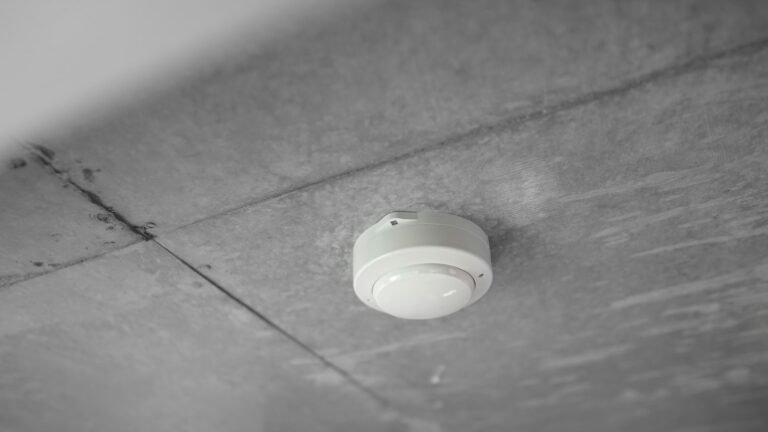
The change is also a handy annual prompt for another bit of household safety: testing smoke and carbon monoxide alarms and replacing batteries where needed. Fire safety organizations commonly recommend making that a habit tied to the clock change. Check the manufacturer’s instructions for your specific alarms, since some models use sealed long-life batteries and are replaced as a whole unit on a schedule.
Community events as an alternative
Not every family wants to go door to door. Many cities and neighborhoods organize alternatives, including trunk-or-treat events in parking lots, library and school festivals, and downtown business trick-or-treating. The WTOC page for the Savannah story is tagged with references to events such as a trunk-or-treat and a “Blue Light Fright Night,” but the article text we reviewed did not provide dates, times or locations for them, so check the city, police department or local news before planning around them. The same goes for your own community: city and police social media pages are usually the fastest way to find official event listings.
Organized events can be a good fit for very young children, for families who live in areas with few streetlights or sidewalks, and for anyone who wants a more controlled setting with adults on site. They also tend to be easier on kids with allergies or sensory sensitivities.
What to know / what to watch next
- The date: Halloween is Saturday, October 31, 2026. Daylight saving time ends Sunday, November 1, 2026, at 2 a.m., so clocks fall back one hour that night.
- Local hours: Trick-or-treat hours and event schedules are set locally. Check your city or police department’s website or social media pages in the coming days.
- Official guidance: Police departments typically publish their own Halloween advisories in the last two weeks of October. If your local department issues one, it will reflect conditions specific to your area, such as road closures or community events.
- Weather: Rain, cold or early darkness can change plans quickly. Keep an eye on the forecast the day before and have a backup, such as an indoor event.
- After the night: Sort candy at home, discard anything unwrapped or suspicious, and keep an eye out for allergen labels if your child has food allergies.
- Election week follows: Tuesday, November 3, is Election Day for the general election. Our companion guide to voting logistics is worth a read once the candy is put away.
The bottom line
None of the advice here is complicated, and that is the point. Be seen, stay with a group, stick to well-lit streets, check the candy, drive like a child might run out in front of you, and make your porch a safe stop for visitors. A few minutes of planning before October 31 is usually all it takes to keep the night about costumes, candy and neighbors rather than emergency calls.
Source note: Savannah Police Department guidance as reported by WTOC (Savannah, Ga.), published October 12, 2026. General tips on daylight saving time and smoke alarms reflect widely published public-safety guidance; confirm local details with your own city and fire department.