
Clocks fall back at 2 a.m. on Nov. 1, the earliest possible date. Here is who skips it, where the Sunshine Protection Act stands, and how to adjust.
At 2 a.m. local time on Sunday, Nov. 1, clocks across most of the United States fall back an hour. It is the earliest possible date for the change, and it arrives just days before Election Day. Here is what to expect, who skips the ritual, and why Congress still has not ended it.
Few annual events are as universally grumbled about as changing the clocks. Parents dread the early wake-up, commuters brace for darker evenings, and every household has at least one microwave that stays wrong for months. This year the switch lands unusually early, giving it extra attention.
The good news is that the fall change is the easier one. You gain an hour. The challenge is making that hour work for you rather than against you.
The date and time to circle
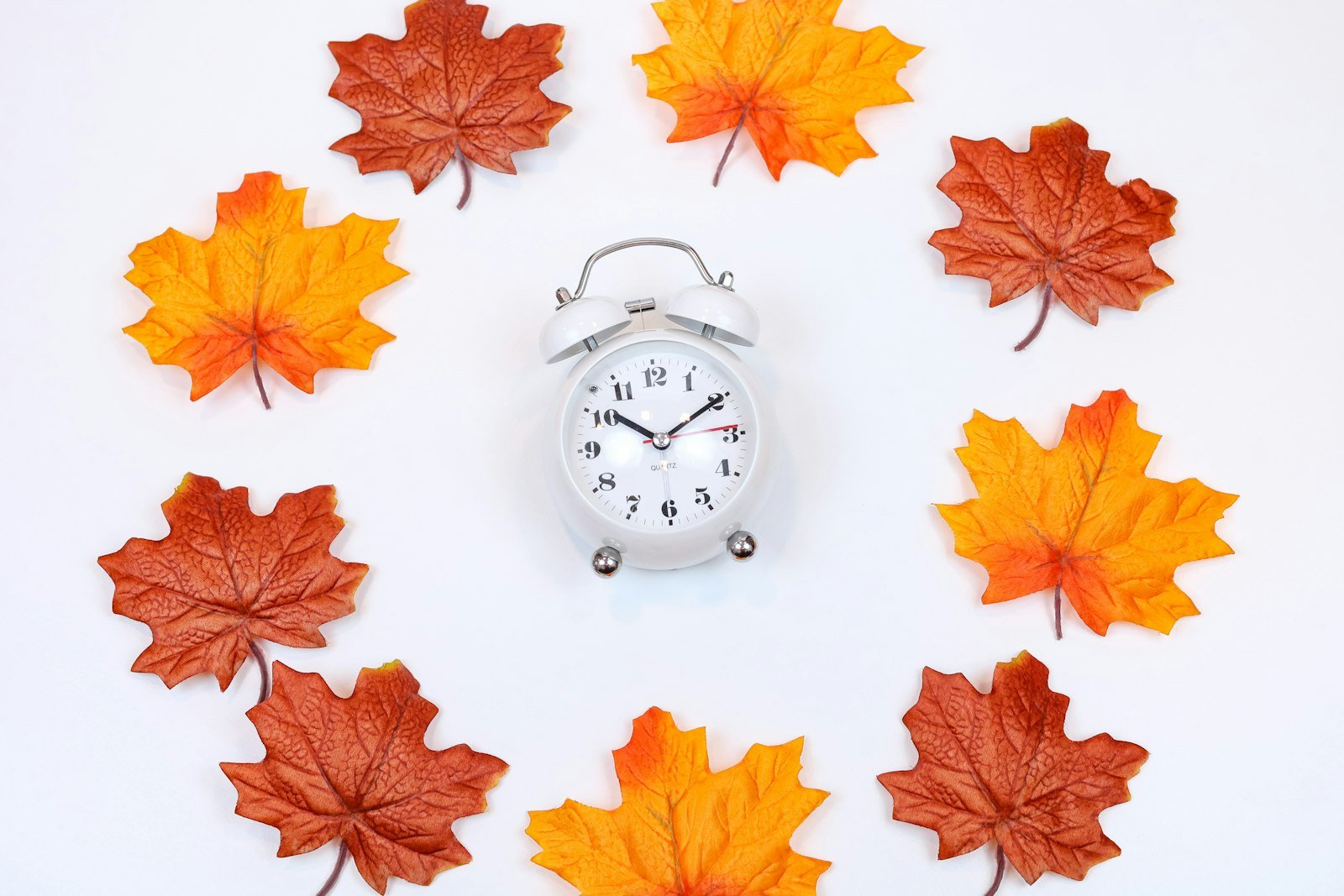
Daylight saving time ends on Nov. 1, 2026, at 2:00 a.m. local time, when clocks move back to 1:00 a.m. standard time, according to local news coverage. Under the current federal schedule, the change falls on the first Sunday of November, which means Nov. 1 is the earliest it can occur.
Most phones, computers and smart TVs adjust automatically. Cars, ovens, wall clocks, and some older devices usually do not, so plan a few minutes on Sunday morning to reset them.
Who does not change their clocks
Not everyone takes part. The following places stay on standard time year-round:
- Most of Arizona (the Navajo Nation within Arizona is an exception and does observe daylight saving time)
- Hawaii
- American Samoa, Guam, the Northern Mariana Islands, Puerto Rico and the U.S. Virgin Islands
If you work with colleagues, clients or family in these places, remember that the time gap shifts for the next several months. A call that was an hour apart may now be two hours apart.
Why do we still do this?
Daylight saving time has been a fixture of American life for generations, and the debate over it has been just as durable. Supporters like the extra evening light in warmer months, arguing that it helps retail, recreation and after-work activity. Critics point to disrupted sleep, early-morning darkness in winter and the hassle of twice-yearly adjustments.
Interestingly, many people on both sides of the debate agree on one thing: the switching itself is the problem. The disagreement is over which time to keep permanently.
Where Congress stands
The Sunshine Protection Act of 2025, sponsored by Rep. Vern Buchanan of Florida, would end the twice-yearly clock changes. According to the same report, it passed the House 308 to 117 but was sent to the Senate in July and has since stalled there.
A few things to understand about the issue:
- States can choose to stay on standard time year-round, as Arizona and Hawaii do, but federal law does not currently let them adopt permanent daylight saving time on their own.
- The “permanent” label matters. Locking in daylight saving time means later sunrises in winter. Locking in standard time means earlier sunsets in summer.
- Passing the House is only one step. A bill needs Senate approval and the president’s signature to become law.
For now, then, the clocks will keep moving. Anyone expecting a change this year should not hold their breath.
A concrete scenario: the Saturday night plan
Imagine a family with a toddler who wakes at 6 a.m. every day. On the first Sunday after falling back, that 6 a.m. becomes 5 a.m. on the clock, because the child’s body has not adjusted. Unless someone plans ahead, the household starts the day an hour early and spends the afternoon cranky.
A simple fix is to shift the schedule gradually. In the days before the change, push bedtime and meals 10 to 15 minutes later each day. By Saturday night, the family is only a short step away from the new time. If that sounds like too much work, the fallback is to hold a firm morning routine on Sunday, with bright light and breakfast at the new clock time, and let the body catch up over a few days.
Tips to make the extra hour count
- Do not spend it all on screens. Use the hour for sleep if you can. Going to bed at your normal clock time means an extra hour of rest.
- Get morning light. A walk outside early in the day helps your internal clock settle in.
- Adjust gradually. If you are sensitive to schedule changes, shift bedtime in small steps.
- Keep caffeine and alcohol modest in the evening. Both can interfere with sleep.
- Prepare for earlier dark. Sunsets arrive about an hour earlier, so commutes home may happen in darkness. Drivers should watch for pedestrians and cyclists, and walkers should wear something reflective.
A home safety checklist while you are at it
Many fire departments encourage people to use the clock change as a reminder for routine home safety. It is a handy habit because the date is easy to remember.
- Test your smoke alarms and carbon monoxide detectors.
- Replace batteries if the devices need them, following the manufacturer’s directions.
- Check flashlights and emergency supplies ahead of winter weather.
- Review your family’s escape plan.
None of this takes long, and it ties a chore you will not otherwise remember to a date you will.
The science of the body clock, in plain English
Your body runs on an internal clock, known as the circadian rhythm, that is set mostly by light. When the clocks change, the sun does not, so your routine and your body fall out of step for a while. Sleep researchers generally describe the fall change as milder than the spring one, because you gain an hour rather than lose one, but individual experiences vary a lot.
People who already sleep poorly, shift workers and anyone with young children often feel it most. If you are one of them, expect a few days of adjustment, and be gentle with yourself on the first Monday morning.
Pets, kids and the early-morning problem
Dogs, cats and toddlers do not read calendars. Their feeding and wake-up times follow the body clock, so they may wake you an hour early, according to the clock on the wall, for several days.
- Move meals and walks by 10 to 15 minutes a day beginning a few days before.
- Keep bedrooms dark in the morning with blackout curtains so early light does not wake children sooner.
- Resist the urge to reward very early wake-ups with a big breakfast, which can lock in the habit.
Business, travel and scheduling traps
The change can also cause confusion for anyone who works across regions. Meetings scheduled with people in Arizona, Hawaii or the territories that skip the change will shift relative to your calendar. Most calendar apps handle this automatically, but a quick check before an important call is cheap insurance.
Travelers should also double-check flight and event times. Tickets list local times, so a Sunday morning departure that crosses the 2 a.m. switch can be confusing. When in doubt, look at the airline or venue notice rather than doing the math in your head.
Permanent time: the trade-offs behind the headlines
When lawmakers talk about ending the clock changes, the real fight is over which clock to freeze.
Permanent daylight saving time would give brighter evenings all year. The cost is later sunrises in winter, so in some places children would wait for school buses in the dark and workers would start their day before dawn.
Permanent standard time would keep mornings brighter in winter and align more closely with the sun. The cost is earlier sunsets in summer, which some retailers, parents and outdoor-sports fans dislike.
Where you live matters a great deal, because the sun rises and sets at very different times across the country. That geographic reality is one reason the issue has proved harder to settle than the House vote might suggest.
Election week timing
Because the change falls so early, it comes just before Election Day on Tuesday, Nov. 3. Voters who plan to go to the polls after work will find the sun setting earlier than the week before. Check your local polling place hours and arrive with time to spare. If you are voting early or by mail, follow your state’s deadlines, which vary.
Key takeaways
- Clocks fall back at 2:00 a.m. on Sunday, Nov. 1, 2026, the earliest possible date.
- Most of Arizona, Hawaii and several U.S. territories do not change their clocks.
- The Sunshine Protection Act passed the House 308 to 117 but is stalled in the Senate.
- Shift bedtimes gradually, get morning light and plan for earlier darkness on evening commutes.
- Use the date to test smoke and carbon monoxide alarms.
FAQ
Do I lose or gain an hour on Nov. 1?
You gain one. Clocks go from 2:00 a.m. back to 1:00 a.m., so that hour happens twice.
Will daylight saving time become permanent soon?
Not by this fall. The bill that would end clock changes has cleared the House but stalled in the Senate, and it would still need a presidential signature.
Do I need to change my phone?
Usually not. Phones and most connected devices update on their own. Manual clocks, many cars and some appliances need to be reset by hand.
Sources: abc7ny.com, Daylight saving time 2026 ending: When to ‘fall back’.