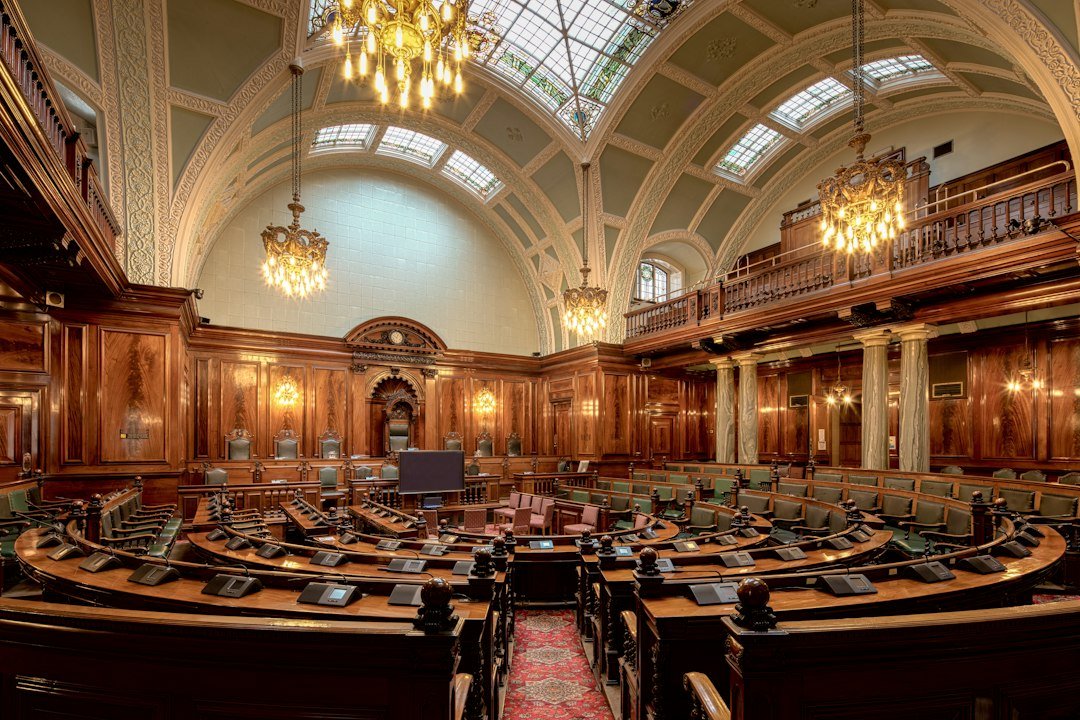
Local government shapes zoning, budgets and streets. Here is a practical guide to finding the agenda, signing up to speak and making your public comment count.
Decisions about zoning, street repairs, parks, public safety budgets and local taxes are often made in a meeting room that most residents never visit. City council and town board meetings are open to the public, and almost every one sets aside time for residents to speak. Here is how to take part with confidence.
Why Local Meetings Matter
Local governments handle the services people use every day, from water and trash collection to road maintenance and permits. Because the bodies are small, individual voices can carry more weight than they do in larger arenas. Elected members often say they want to hear from residents before voting, and a clear, respectful comment can raise points they had not considered.
Step One: Find the Schedule and Agenda
Start with your city or town website. Most governments post a meeting calendar, and many publish an agenda several days before each session. The agenda lists the items up for discussion and vote, and often includes background documents such as staff reports or draft ordinances.
Look for a “consent agenda,” which bundles routine items to be approved together, and for any public hearing items, where formal comment on a specific proposal is invited. Rules differ from place to place, so check how your local body handles each.
Step Two: Learn the Rules for Public Comment
Public comment procedures vary. Some bodies reserve a general comment period at the start or end of the meeting. Others take comment on each agenda item. Common rules include:
- A sign-up sheet or online form, sometimes due before the meeting starts.
- A time limit per speaker, frequently a few minutes.
- A requirement to state your name and, in some places, your neighborhood.
- Limits on speaking about matters that are not on the agenda.
The clerk’s office can explain the process, and the rules are usually posted on the government website or read aloud at the start of the meeting.
Step Three: Prepare a Focused Message
With limited time, preparation helps. Decide on one main point and write it down. Open by saying which agenda item you are addressing and whether you support or oppose it, or what you would like the council to do. Then give a reason or two, ideally rooted in your own experience, such as how a proposed change would affect your street, business or family.
Speak to the whole body rather than to the audience, and avoid personal attacks. Concrete requests, such as asking for a study, a delay or a specific amendment, tend to be more useful than general complaints.
Step Four: Practice and Keep Time
Read your remarks aloud and time them. A comment that runs short often lands better than one that is cut off at the limit. If you have documents or photographs, ask the clerk whether you may submit them for the record, since written materials are often accepted even when speaking time is tight.
If You Cannot Attend in Person
Many governments allow written comments by email or an online portal, and some offer remote participation by video or phone. These comments may be read into the record or shared with members ahead of the vote. Check the deadline, which is sometimes earlier than the meeting itself.
Meetings are also commonly streamed or recorded, so you can watch later and review how votes went.
Beyond the Podium
Speaking at a meeting is one tool among several. You can email council members, contact the relevant department, join a neighborhood association or serve on an advisory board or commission, which are often open to volunteers. Following a topic over several meetings usually has more effect than appearing once.
It also helps to build relationships with neighbors who share your concern. Coordinated, courteous participation by several residents can show that an issue matters broadly, while avoiding repetition by having each person focus on a different aspect.
What to Expect on the Day
Arrive early, find the sign-up location and note where the agenda item sits in the order. Meetings can run long, and items are sometimes moved. Bring water, a copy of your remarks and patience. After you speak, you may not get an immediate response, since many bodies do not answer comments during the session. That is normal, and your remarks are still part of the record.
The Bottom Line
Local government is among the most accessible parts of public life. A little research into the agenda and rules, a focused message and respectful delivery can make a real difference, and showing up regularly builds influence over time.