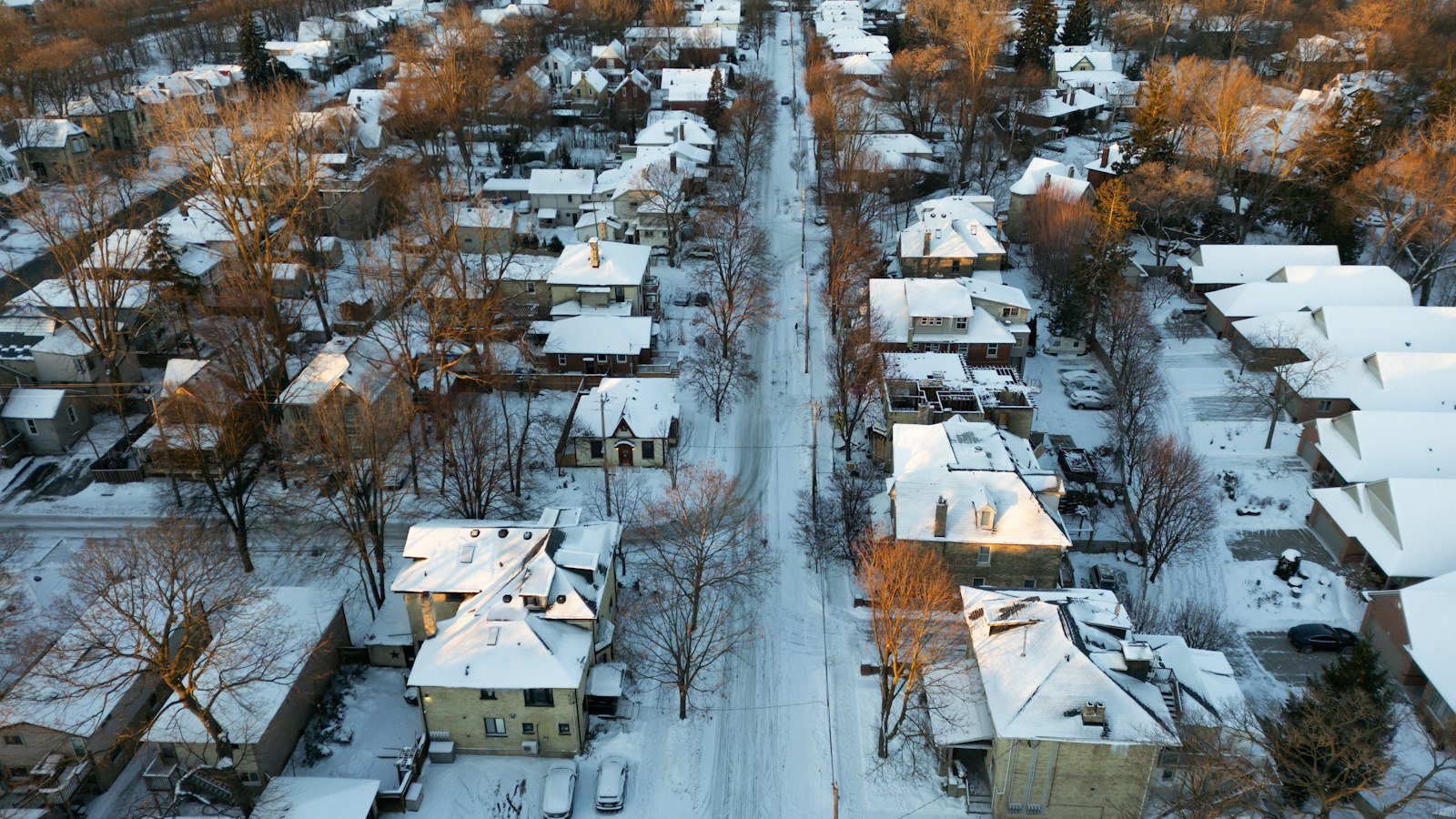
Before the first hard freeze, health officials urge households to plan for outages. A checklist covers backup light and heat safety, food in the fridge, generators and carbon monoxide.
Mid-October is when many communities begin shifting from storm cleanup to cold-weather planning, and emergency and health officials say the weeks before the first hard freeze are the best time to prepare for a winter power outage. Ice, heavy snow and high winds can bring down lines in any region, and an outage in winter carries risks that a summer one does not: unsafe indoor heating, spoiled food and homes that cool quickly.
Seasonal outlooks differ in their details, and forecasters generally caution that any single season’s pattern does not predict a specific storm in a specific town. Preparation advice, therefore, is the same whether a winter is forecast to be mild or severe. The checklist below draws on guidance from state health departments and emergency preparedness agencies.
Build a basic outage kit now
Households that gather supplies in October avoid the rush that follows a storm warning, when store shelves for batteries and bottled water can empty quickly. A basic kit generally includes:
- Flashlights and extra batteries, with flashlights preferred over candles to avoid fire risk
- A battery-powered or hand-crank radio for weather alerts
- Bottled water and nonperishable food that does not need cooking
- A manual can opener
- Warm blankets, hats, gloves and extra layers for each family member
- A supply of needed prescription medications and a list of dosages
- Portable chargers or power banks, kept charged
Families with infants, older adults, pets or people who rely on electrically powered medical equipment should plan for those needs specifically. Residents who depend on medical devices are often advised to tell their utility in advance and to ask their doctor about a backup plan.
Know how you will keep warm safely
Heating is where outage-related injuries most often occur. State health guidance is direct on one point: do not heat a home with a gas stove or oven. These appliances are not designed for that use and can release carbon monoxide, a colorless, odorless gas that can build up indoors.
Carbon monoxide detectors with battery backup are recommended so that they keep working when the power is out. Residents should test them now and replace batteries if needed. Detectors typically belong on every level of the home and near sleeping areas.
Households that use a fireplace, wood stove or space heater should have them inspected or checked before the season, keep flammable items well away, and never leave portable heaters running unattended or while sleeping. During a long outage, closing off unused rooms, hanging blankets over drafty windows and layering clothing can help hold heat in one area of the home.
Generators: outdoors only
Portable generators are among the leading causes of carbon monoxide poisoning after storms. Health departments advise running generators outdoors only, away from windows, doors and vents, and never in a garage, basement or enclosed porch, even with the door open.
Owners should read the manufacturer’s instructions, store fuel safely and outside living spaces, and test the generator before it is needed. Anyone who feels dizzy, nauseated or has a headache while a generator or fuel-burning appliance is running should get to fresh air and call 911.
Protect the food in the refrigerator
Health guidance advises keeping the refrigerator and freezer doors closed as much as possible during an outage. Food that has been at 40 degrees Fahrenheit or warmer for two hours or more should be thrown away.
Placing an appliance thermometer in the refrigerator and freezer lets households see the actual temperature without guessing. Freezing water in containers ahead of time can help keep things cold, and a cooler with ice can hold essentials if an outage drags on. When in doubt, officials say, throw it out.
Cars, phones and documents
Winter outages often accompany hazardous roads. Drivers are generally advised to keep at least half a tank of fuel in cold months, along with a blanket, flashlight, ice scraper, jumper cables and a small first-aid kit in the vehicle.
For communications, residents can save the phone numbers of their electric utility and local emergency management office in a phone and on paper. Many utilities offer outage maps and text alerts, and signing up before a storm makes it easier to report problems and get restoration updates. Important documents, including insurance information and a list of medications, are best kept in a waterproof bag that can be grabbed quickly.
Check on neighbors
Preparedness agencies encourage residents to plan for neighbors who may have trouble keeping warm or getting supplies, especially older adults who live alone. Exchanging phone numbers in advance and agreeing to check on one another can matter when roads are closed and cell service is spotty.
Communities that open warming centers typically announce them through city or county websites, social media and local radio. Residents can find out ahead of time where the nearest center is and whether it accepts pets.
A quick pre-winter task list
- Test smoke and carbon monoxide detectors and replace batteries
- Assemble or restock the outage kit
- Have heating equipment and chimneys inspected
- Locate the safest outdoor spot for a generator, if one is owned
- Save utility and emergency contacts
- Talk through a plan with household members and neighbors
Most of these tasks take under an hour, and officials say the effort is far easier in October than in the dark during a storm.
Sources: Virginia Department of Health.