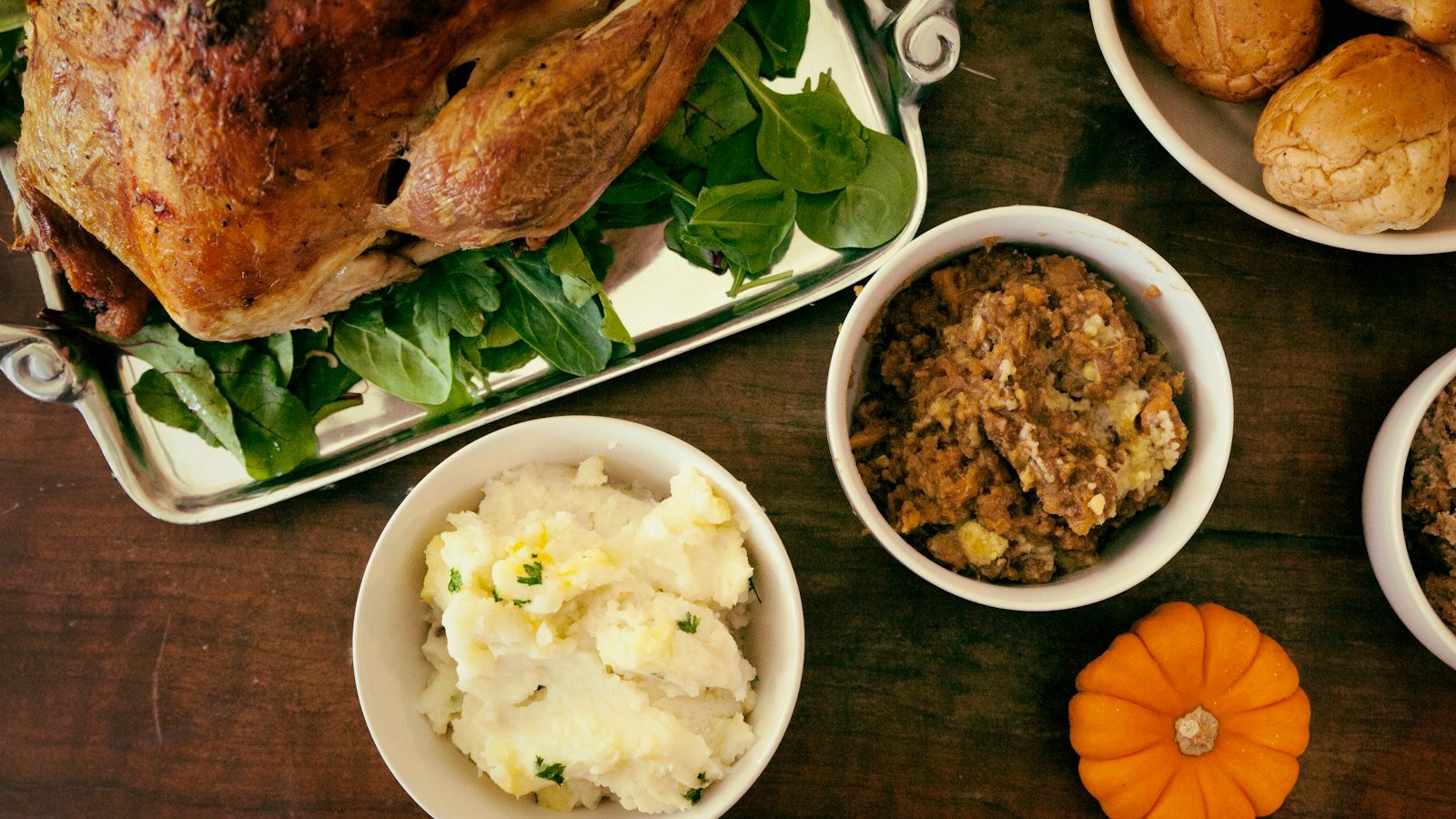
With Thanksgiving on Nov. 26, food safety guidance says the work starts days ahead. Here is a timeline for thawing, cooking and storing the turkey, plus tips for leftovers.
Thanksgiving falls on Thursday, Nov. 26 this year, which leaves about five weeks for households to settle the menu, the guest list and the biggest question of the meal: how to get a frozen turkey safely from the freezer to the table. Food safety agencies say most problems begin long before the oven is turned on, and that a few days of planning can prevent the most common mistakes.
The guidance below follows recommendations from the U.S. Department of Agriculture as summarized by food safety outlets and state agriculture departments. Local health departments often publish similar advice and can answer questions specific to a community.
Start with the calendar
A frozen turkey does not thaw quickly. USDA guidance calls for about 24 hours in the refrigerator for every 4 to 5 pounds of bird. A 15-pound turkey, for example, needs roughly three days. Households buying a larger bird, or planning to host a crowd, should count backward from Nov. 26 and move the turkey to the refrigerator earlier than they expect to need to.
Shoppers who wait until the week of the holiday may find that the size they want is limited, and that leaves less margin for thawing. Buying a fresh turkey is another option, but it still needs refrigeration and should be cooked within the timeframe printed on the label.
Three ways to thaw, and one to avoid
- Refrigerator: The safest and most forgiving method. Keep the turkey in its original wrapping on a tray or in a pan to catch drips, and place it on the lowest shelf so juices cannot reach other foods.
- Cold water: For a faster option, submerge the wrapped turkey in cold water and change the water every 30 minutes. A turkey thawed this way should be cooked immediately afterward.
- Counter: Not recommended. Thawing at room temperature leaves parts of the bird in the 40 to 140 degree Fahrenheit range, often called the “danger zone,” where bacteria multiply quickly.
Officials also advise against rinsing the turkey. Splashing water can spread bacteria to sinks, counters and nearby dishes. Cooking to the proper temperature is what kills germs, not washing the bird.
Cooking temperatures that matter
The turkey is safe when a food thermometer reads 165 degrees Fahrenheit in the thickest part of the breast, the innermost part of the wing and the innermost part of the thigh. Pop-up timers that come with some birds can be inaccurate, so guidance recommends confirming with a thermometer.
Cooks who prefer to roast overnight at a low temperature should be cautious. Guidance advises against cooking a turkey in an oven set below 325 degrees. Stuffing, whether cooked inside the bird or in a separate dish, should also reach 165 degrees, and the bird should not be stuffed the night before.
Hands, surfaces and cross-contamination
Handwashing is a basic but frequently skipped step. Guidance recommends washing for at least 20 seconds with soap and water after handling raw poultry. Cutting boards, knives and counters that touched the raw turkey should be cleaned before they come into contact with vegetables, rolls or desserts.
In a busy kitchen with children underfoot, designating one cutting board for raw poultry and keeping it away from ready-to-eat foods can reduce the risk. A second thermometer, or one that can be washed between uses, helps when several dishes need to be checked.
After the meal: the two-hour rule
Leftovers are where many households slip. Food safety guidance says perishable food should be refrigerated within two hours of coming off the heat, ideally divided into shallow containers so it cools quickly. That means carving the turkey and clearing the table promptly instead of leaving platters out through an afternoon of football and conversation.
- Refrigerator: Eat leftovers within four days.
- Freezer: Leftovers keep best quality for roughly two to six months.
- Reheating: Bring leftovers to 165 degrees before serving them again.
Households that expect to send guests home with plates should plan for containers in advance and remind recipients of the four-day window.
Where to get help on the day
The USDA Meat and Poultry Hotline, 888-674-6854, takes questions from home cooks. According to published guidance, it has typically offered Thanksgiving Day hours from 8 a.m. to 2 p.m. Eastern time. Because schedules can change, residents may want to confirm the hours on the USDA website closer to the holiday. Many local extension offices and county health departments also field food safety questions in the days leading up to the holiday.
A simple countdown
- Now: Confirm guest count, buy or order the turkey, and check that a working food thermometer is on hand.
- About a week out: Clear refrigerator space and plan for a tray large enough to hold the thawing bird.
- Three to five days out: Move the turkey into the refrigerator, allowing roughly 24 hours per 4 to 5 pounds.
- Thanksgiving Day: Cook to 165 degrees, verify with a thermometer in three spots, and refrigerate leftovers within two hours.
- The weekend after: Eat or freeze leftovers within four days.
None of these steps requires special equipment, only attention to timing. For families hosting for the first time, working through the calendar in late October or early November can turn a stressful meal into a manageable one.
Sources: Food Safety News, summarizing U.S. Department of Agriculture guidance.